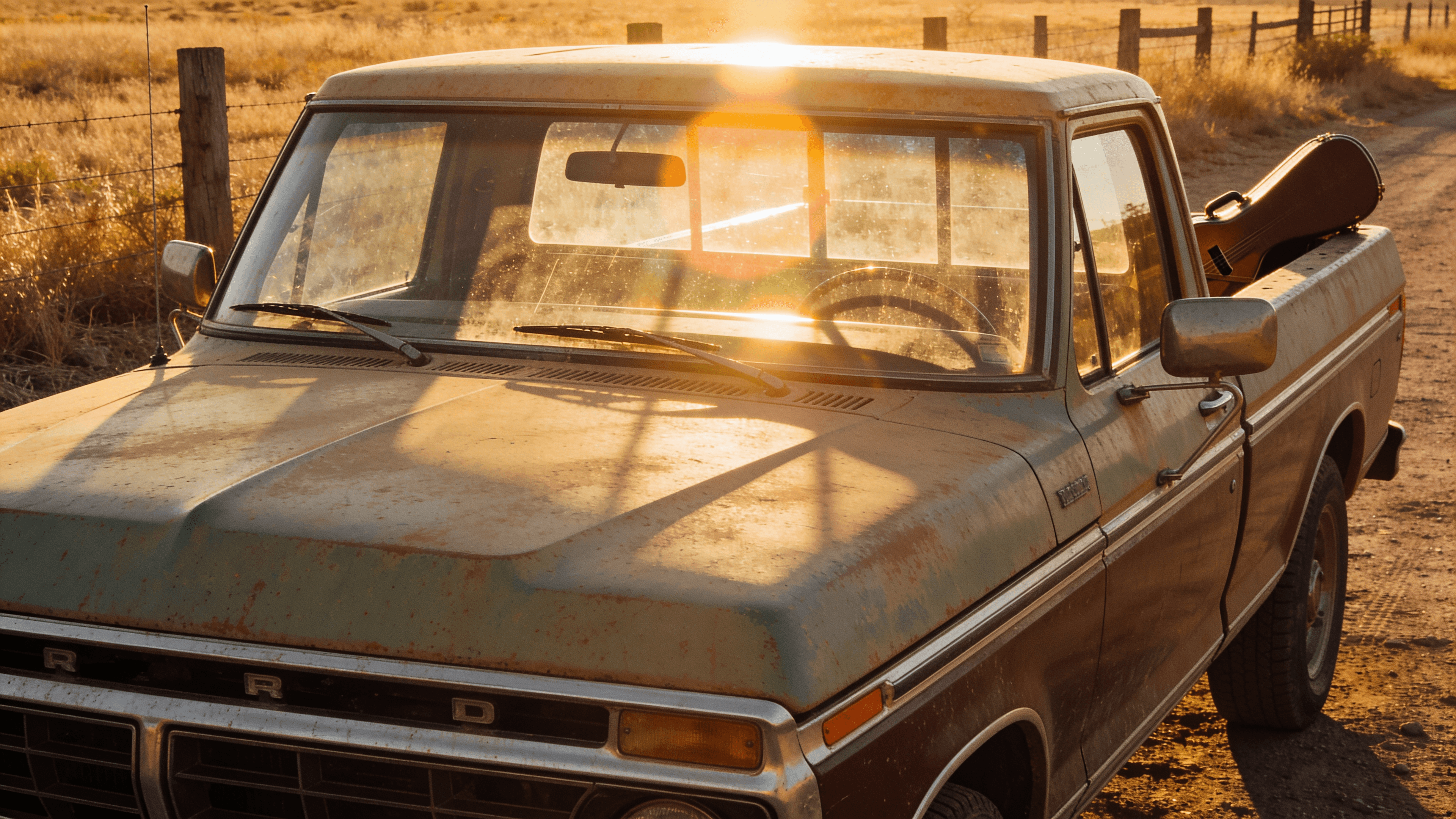
The Handmade Aesthetic
Folk music values craft—songs passed down, skills developed over time, the human hand evident in every note. Album artwork in folk traditions reflects these values: handmade, textured, visibly created by people rather than algorithms. Even when executed digitally, the best folk covers carry feeling of human touch.
The visual language draws from illustration traditions, vintage photography aesthetics, and natural materials. Bon Iver's first album used an image of his Wisconsin cabin, literally photographing where the music was made. Iron & Wine's covers feel like found objects from another era. Fleet Foxes' Robin Pecknold hand-drew elements for their artwork.
Folk artwork should look like someone made it with their hands—because folk music sounds like someone made it with theirs.
Folk & Friends — contemporary folk's visual range
Illustration and Hand-Drawn Elements
Illustration appears more frequently in folk music than perhaps any other contemporary genre. Not polished digital illustration—hand-drawn work that carries the marks of its making. Pencil textures, ink imperfections, paper grain showing through.
Fleet Foxes' covers have featured intricate illustrated scenes. The Decemberists commission elaborate paintings. Even minimal folk releases often incorporate hand-lettered titles or small illustrated elements that signal handmade sensibility.
You don't need professional illustration skill. Raw, unpolished drawing can communicate folk values as effectively as sophisticated technique. What matters is authenticity—the sense that a human made marks on paper, not that those marks are technically perfect.
If you can't draw yourself, consider commissioning folk art traditions. Block prints, letterpress, screen prints—techniques that carry visible evidence of analog process. Or work with illustrators whose style naturally aligns with folk aesthetic: line drawing, botanical illustration, naive folk art approaches.
Fleet Foxes' Fleet Foxes — illustration that defined modern folk visuals
Photography in Folk Contexts
When folk covers use photography, it typically carries analog quality—film grain, soft focus, warmth that digital clarity often lacks. The reference point is pre-digital: found photographs, family albums, documentary imagery from decades past.
Natural light dominates. Harsh studio lighting feels wrong for genre that values organic sound. Golden hour warmth, overcast softness, the diffused light of domestic spaces. Let lighting contribute to the handmade feeling.
Subjects tend toward the personal and mundane rather than spectacular. Landscapes, but intimate ones. Portraits that feel candid rather than styled. Objects that carry meaning—instruments, letters, natural materials. The imagery suggests private life, not public performance.
Shoot on film if possible. Even basic film cameras produce qualities digital struggles to replicate. If shooting digital, add grain and texture thoughtfully in post—not as heavy filter but as subtle patina that ages the image appropriately.
Bon Iver's For Emma, Forever Ago — the cabin where it was made
Natural Textures and Materials
Folk artwork often incorporates or references natural materials—paper texture, fabric, wood grain, pressed flowers. These elements ground the visual in physical reality, connecting digital releases to tangible world.
Texture appears in multiple ways. Backgrounds might be scanned paper with visible grain. Elements might be photographed on natural surfaces. Even purely digital compositions benefit from texture overlays that add organic feeling.
Earth tones dominate folk color palettes—browns, tans, forest greens, muted gold. These colors reference natural materials and vintage photography. Saturated colors feel wrong; folk aesthetic values warmth over intensity.
Consider creating physical elements to photograph or scan. Hand-written text on aged paper. Collage from found materials. Pressed botanical specimens. These analog artifacts carry authenticity digital generation can't fully replicate.
Typography: Handwritten and Vintage
Typography in folk music almost always either references historical type traditions or incorporates actual handwriting. Slick, modern sans-serifs feel foreign to the genre.
Hand-lettered titles signal the same human touch as hand-drawn illustration. The imperfections are the point. Practice lettering until you develop distinctive style, or work with someone whose handwriting you admire. Digital fonts that simulate handwriting often read as fake.
When using printed type, vintage references work well. Typefaces from the early 20th century or earlier. Letterpress-inspired forms. The visual suggestion of print traditions predating digital precision.
Placement tends toward simple and central in folk contexts. Elaborate typographic compositions feel too designed for a genre that values understatement. Let the image carry weight; let type serve quietly.
Creating Folk Covers
Embrace analog process wherever possible. Shoot on film. Create physical collages. Hand-letter your titles. Even if you eventually digitize results, starting with physical materials adds authenticity.
Look at your own environment and possessions. What objects carry meaning to you? What spaces feel connected to your music? Personal imagery creates more resonant covers than generic "folk" imagery.
Consider vintage and found imagery. Family photographs, flea-market finds, ephemera from other eras. These elements carry history that new images don't. Just ensure you have rights to use what you find.
For technical execution, see our complete platform guide. Folk albums often release physically as well as digitally—consider how your artwork will reproduce across CD, vinyl, and merchandise.
ReleasKit can generate concepts with folk visual understanding. Describe the feeling of your music and the handmade qualities you want, and explore what emerges as starting points.
The best folk artwork looks like it could have been made by the person who made the music—because ideally it was.
FAQ