Documenting the Blues
Blues album art has documentary quality—portraits of musicians, often mid-performance, captured with emotional honesty rather than glamour. The tradition connects to the music's origins: real people expressing real pain in real places.
Classic blues photography—the Chess Records portraits, the Mississippi field recordings imagery—established visual conventions that continue informing contemporary blues visuals.
Blues artwork should feel like honest documentation—capturing the music, the musician, and the emotion without artifice.
Blues Classics — decades of authentic blues imagery
Photography with Emotional Honesty
Blues photography values emotional truth over technical perfection. The musician caught in feeling, the face expressing what words can't—these moments matter more than lighting or composition.
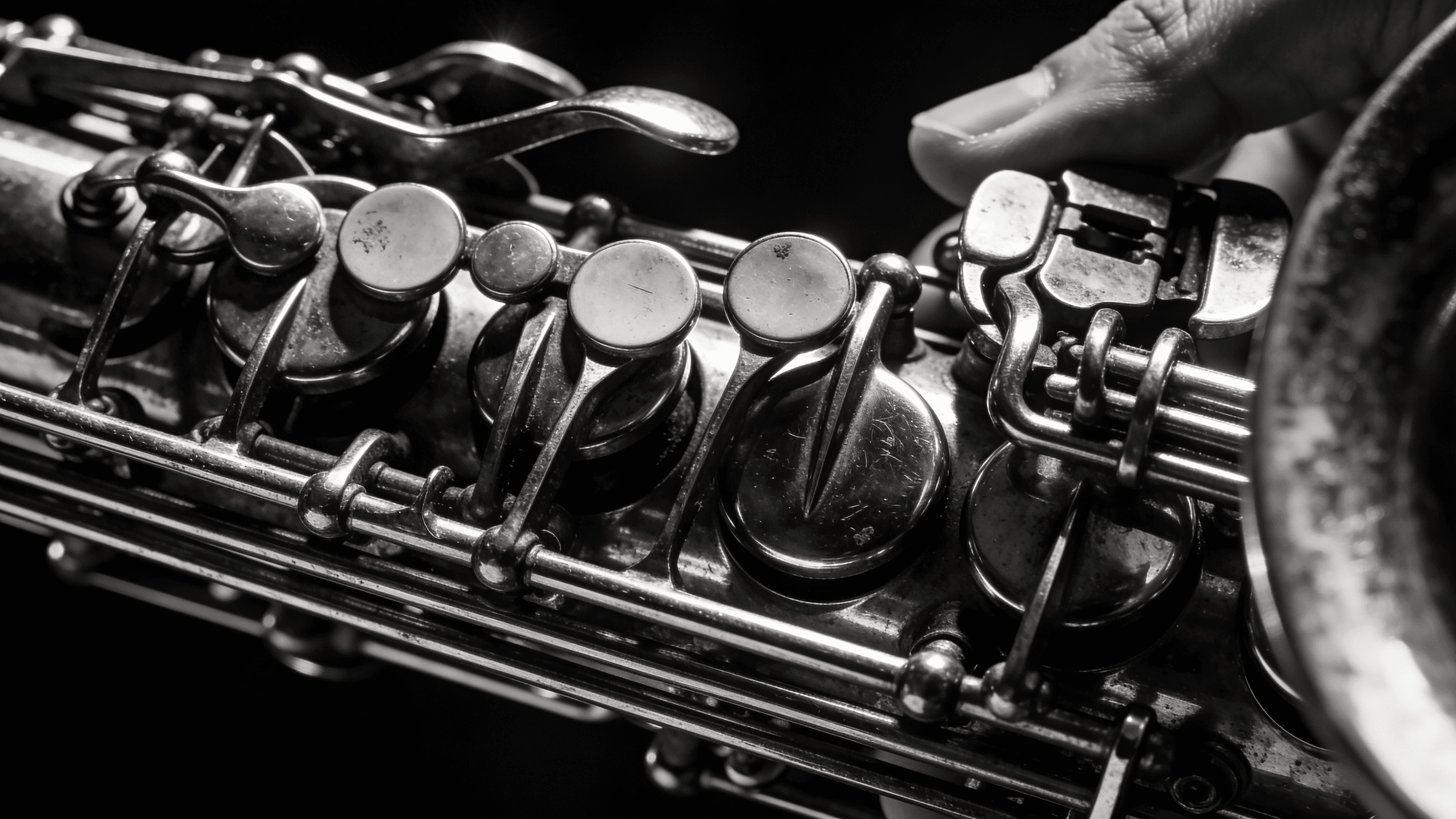
Black and white remains powerful for blues—connecting to historical tradition while emphasizing emotional content over color distraction. But contemporary blues can use color when serving the mood.
Performance photography carries particular weight. The musician engaged with instrument, lost in song, connecting to tradition through practice. These moments can't be staged; they must be captured.
Gary Clark Jr.'s Blak and Blu — contemporary blues visual tradition
Creating Blues Covers
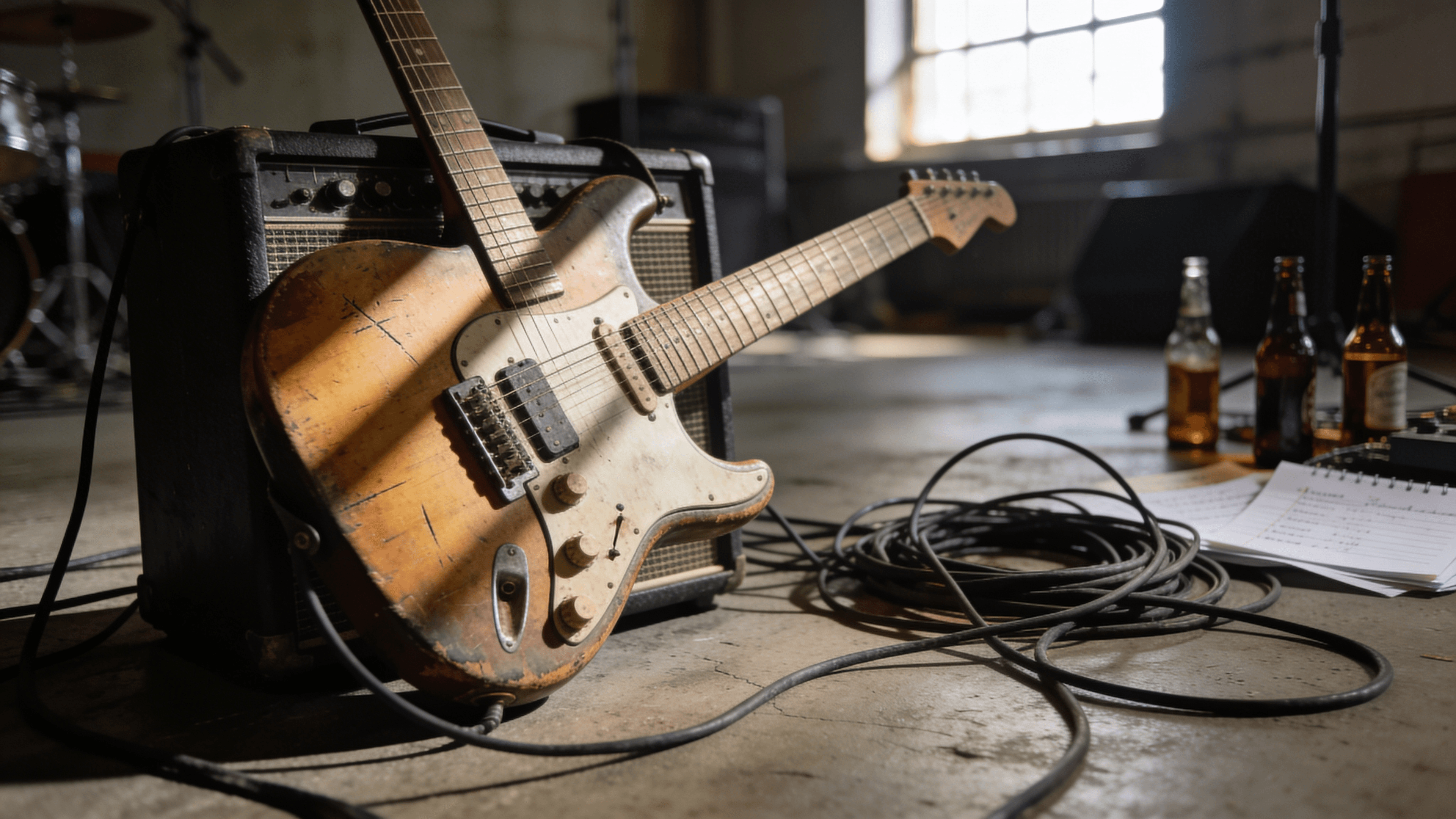
Prioritize authenticity. Shoot in environments where blues lives—clubs, porches, studios. The setting should feel genuine rather than staged.
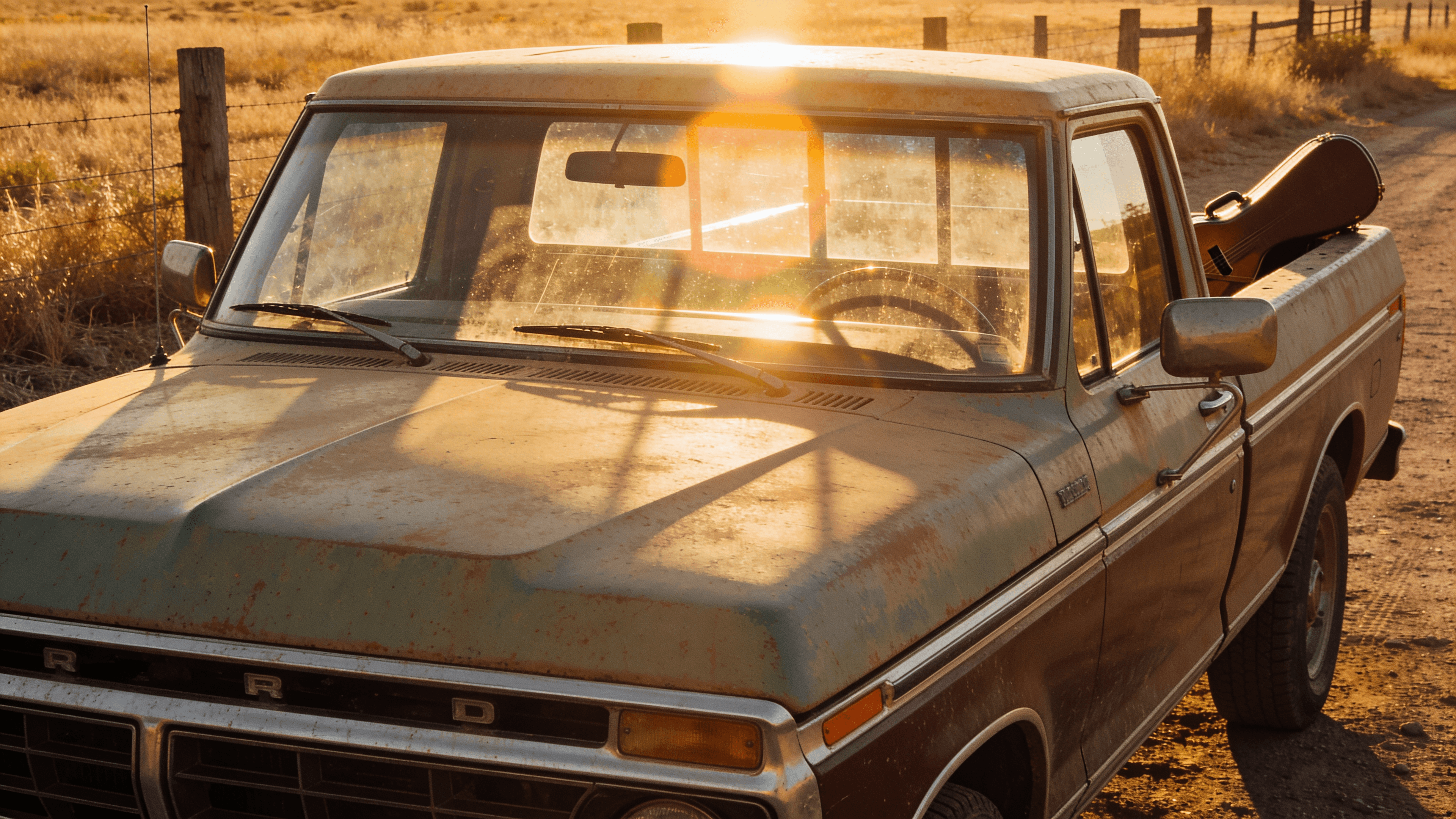
Consider black and white for its connection to tradition and its emotional intensity. If using color, lean warm—the amber of club lighting, the warmth of afternoon sun.
Capture genuine moments rather than posed portraits. The best blues imagery shows musicians doing what they do, not performing for camera.
ReleasKit can generate blues-influenced concepts, but authentic photography often serves the genre better. Real musicians in real spaces carry weight AI can't replicate.
Blues artwork should feel as honest as the music—no pretense, no polish, just truth.
FAQ