The Visual Language of the Streets
Trap and drill aren't just genres—they're documentation. The music emerges from specific places, specific circumstances, specific lived experiences. The visual aesthetic follows: street photography, dark palettes, imagery that feels captured rather than produced.
From Chicago's original drill scene through UK drill's London streets to Brooklyn's resurgence, the visual language communicates authenticity that studio-polished imagery can't achieve. Chief Keef's Finally Rich, Pop Smoke's Shoot for the Stars, Central Cee's mixtape artwork—these covers feel like they could be documentary photographs of the artists' actual environments.
Drill and trap artwork should feel like evidence—documentation of a world, not performance of it.
Get Turnt — trap and drill's sonic and visual landscape
Dark Palettes and Mood
Trap and drill artwork gravitates toward darkness—not as aesthetic pose but as accurate representation. The music often drops late at night; the environments are urban and shadowed; the emotional territory is intense rather than bright.
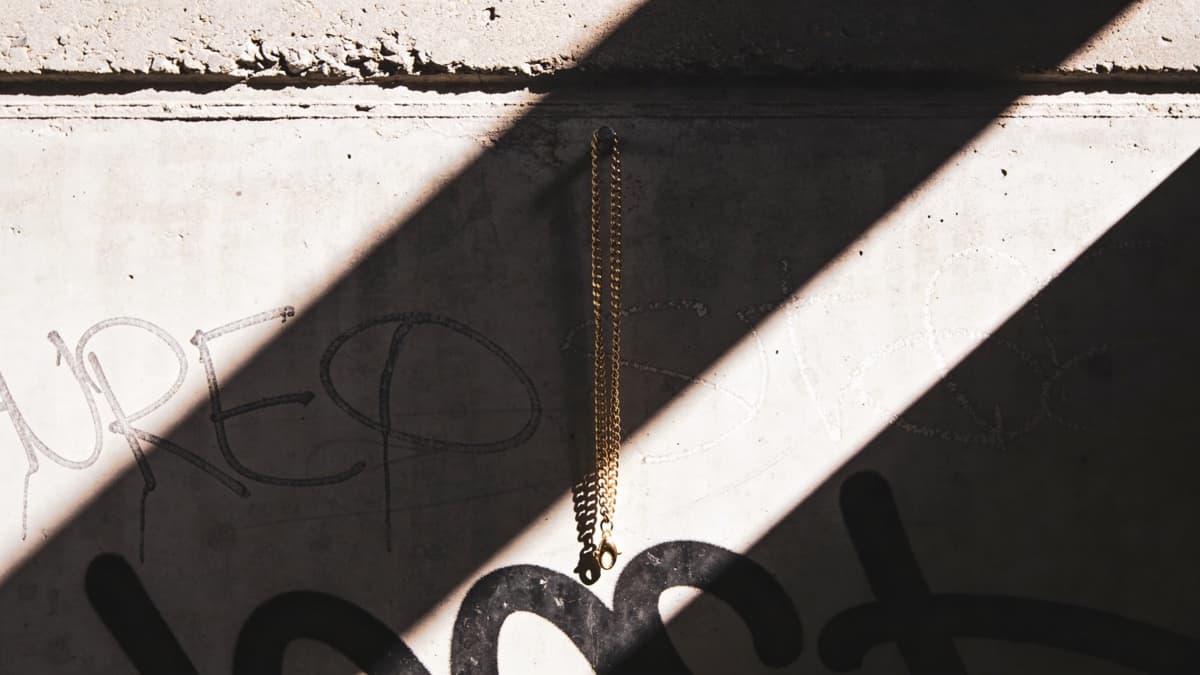
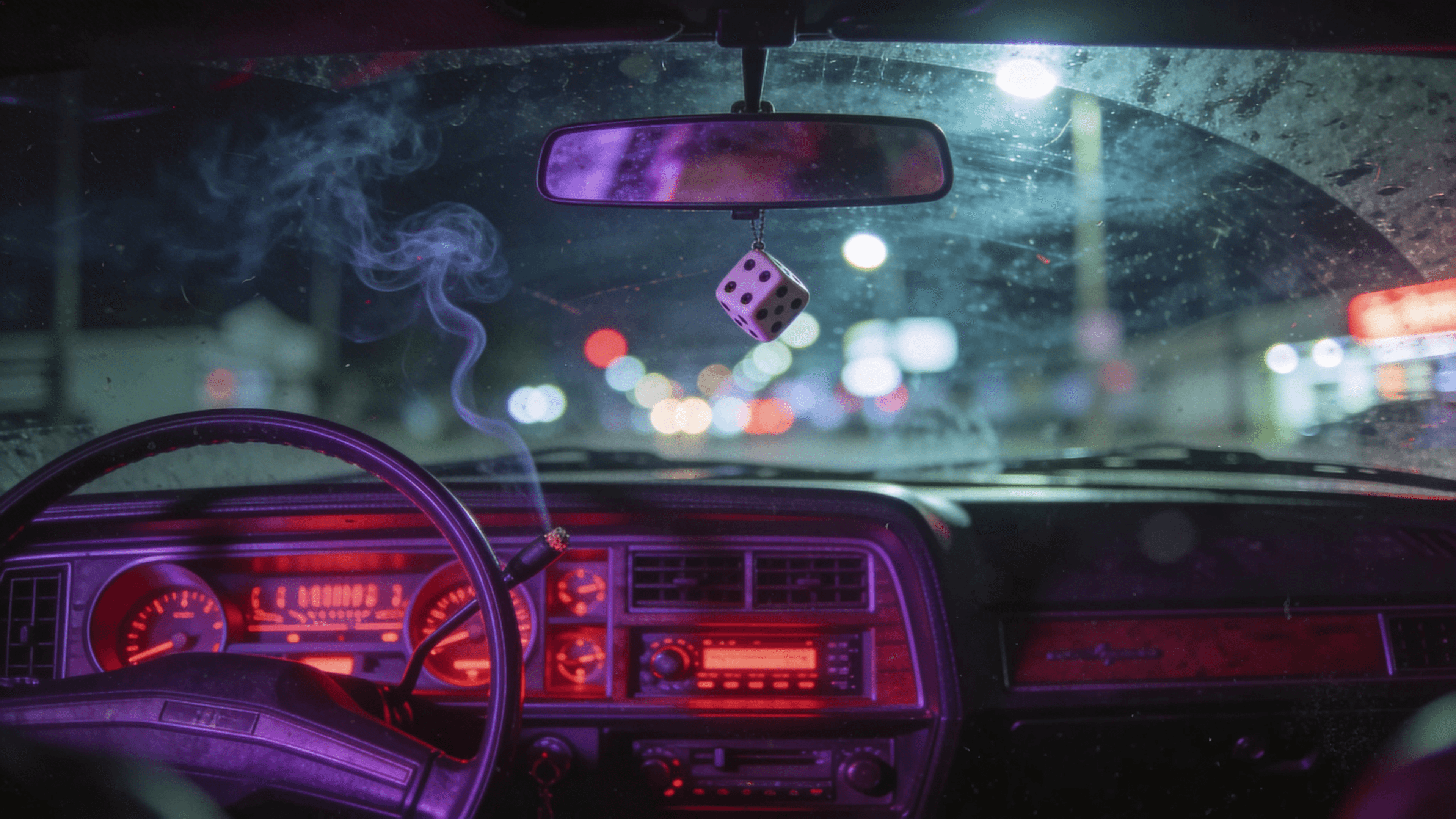
Color palettes favor deep blacks, cold blues, washed-out grays. When color appears, it's often neon—street lights, phone screens, late-night artificial illumination. The warmth that other genres embrace feels wrong here.
High contrast photography serves the aesthetic. Crushed blacks, blown highlights, dramatic shadows. The technical imperfections of low-light phone photography carry more authenticity than studio perfection.
When grading your images, lean into darkness. Let shadows go black. Keep highlights harsh where they occur. The resulting images should feel like night, not day.
Pop Smoke's Meet The Woo 2 — smoke and shadows defining Brooklyn drill
Street Photography Authenticity
The best trap and drill covers feel like street photography—images that document real moments rather than construct them. Phone-camera quality actually works better than professional production for conveying this authenticity.
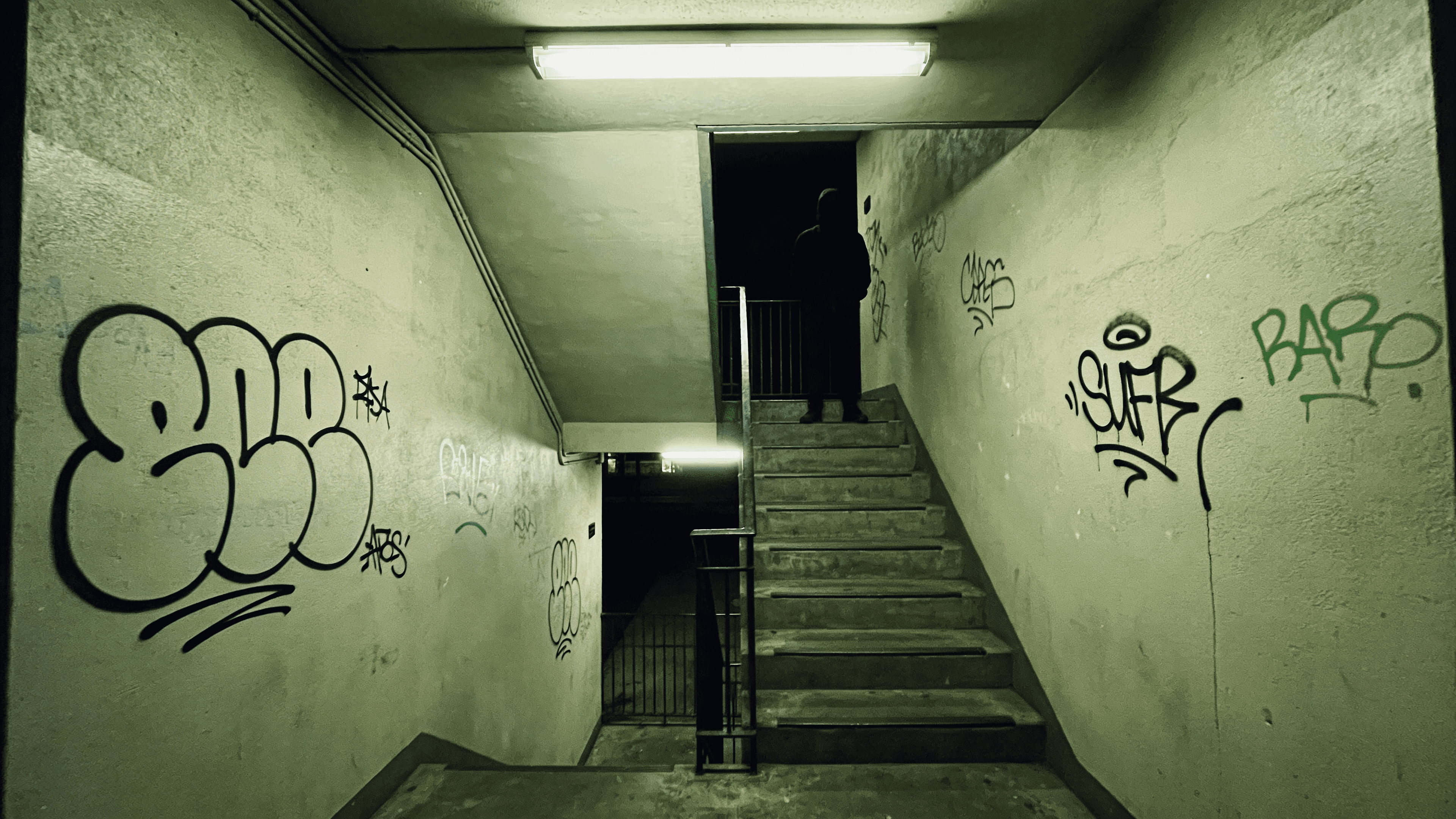
Environments matter. Street corners, project hallways, cars at night, familiar neighborhood locations. The specificity of real places creates authenticity that generic "urban" settings can't match.
Poses should feel natural rather than styled. Artists aren't performing for camera—they're existing in their environment while being photographed. Candid, caught moments over composed portraits.
This doesn't mean amateur photography. The best street photography requires skill—understanding light, timing, composition. But that skill should be invisible, producing images that feel captured rather than created.
Chief Keef's Finally Rich — Chicago drill's visual foundation
Regional Visual Identity
Drill has developed distinct visual identities across its global scenes, each reflecting specific geography and culture.
Chicago drill established the template: dark, urban, documentary. The aesthetic remains influential though the scene has evolved.
UK drill incorporates London's visual vocabulary. Different architecture, different street fashion, different light quality. Balaclavas and hoods add anonymity that became aesthetic choice. Central Cee, Digga D, and others have developed distinctly British visual approaches.
Brooklyn drill brought production polish while maintaining street authenticity. Pop Smoke's imagery balanced professional quality with genuine representation of Canarsie.
Know which scene you're positioning within. Visual conventions differ, and mismatched imagery signals inauthenticity. If you're making UK drill in London, your covers should look like London, not Chicago.
Typography and Graphics
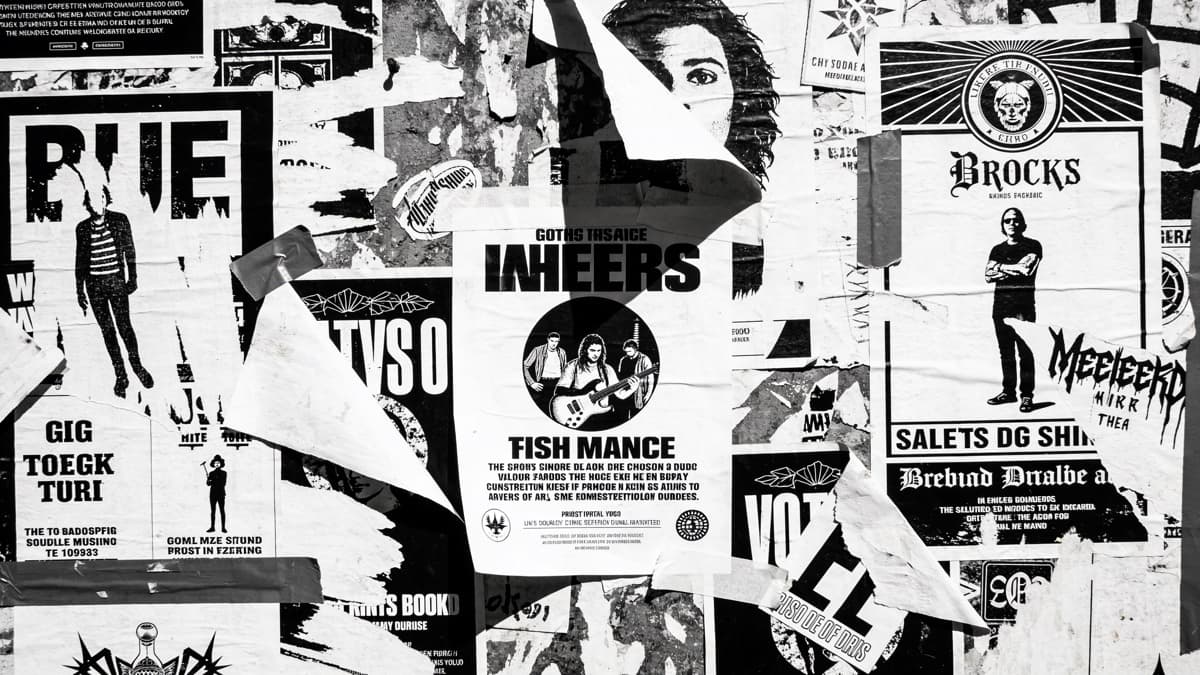
Typography in trap and drill often takes minimalist approach. Clean, straightforward fonts—the focus is on imagery, not design flourishes.
When graphics appear, they're typically stark. Simple icons, straightforward imagery, nothing that feels designed or clever. The aesthetic values directness over sophistication.
Some artists develop graphic identities—logos or visual markers that persist across releases. These tend toward simple: initials, symbols, basic shapes. Elaborate graphics feel wrong for genre that values street authenticity.
Text placement is often practical rather than artistic. Name and title readable, not competing with photography. Let the image do the work; text serves information function.
Creating Trap & Drill Covers
Authenticity matters above all. If you're creating trap or drill artwork, ground it in real environments and genuine imagery. Staged "street" settings read as fake instantly.
Shoot in your actual neighborhood, at actual times you're there. Phone cameras work fine—maybe better than professional equipment. The lower production value reads as more authentic.
Embrace darkness in both shooting and editing. Low light, harsh shadows, minimal post-processing that preserves gritty quality. Don't polish out the roughness—that roughness is the point.
For AI-assisted creation, ReleasKit can generate concepts with understanding of trap and drill aesthetics. Describe specific environments and moods rather than generic "urban" imagery.
Trap and drill covers should feel like they were shot on the block—because the best ones were.
FAQ