The Look of Soul
R&B and soul have always been about feeling. The vocal runs, the groove, the emotional intensity that makes you catch your breath—it's music that prioritizes emotional truth above everything else. The visual identity of these genres reflects that same warmth, intimacy, and style.
From Motown's sleek sophistication through 90s new jack swing to contemporary alternative R&B, the genre has evolved visually while maintaining core values: connection, beauty, emotional authenticity, and an understanding that how you look matters as much as how you sound.
R&B album art should make you feel something before you hear anything. Warmth, desire, melancholy, confidence—the feeling comes first.
Are & Be — Spotify's flagship R&B playlist showcases the genre's visual warmth and intimacy
The Artist as Subject
More than perhaps any other genre, R&B centers the artist visually. The voice is personal; the image is personal too. Album covers frequently feature artist portraits, styled with intention and photographed with care.
This artist-centric approach serves the music. R&B is often about intimate experience—love, desire, heartbreak, sensuality. Seeing the artist creates connection; you're listening to a person, not a concept. The visual identity and the musical identity merge.
Portrait photography for R&B requires understanding of how lighting creates mood. Soft, diffused light creates intimacy and warmth. Dramatic shadows add mystery and sensuality. Golden hour warmth evokes romance. The lighting does half the emotional work.
Styling matters enormously. Fashion in R&B isn't incidental—it's integral to artistic identity. Wardrobe, hair, makeup, and setting all communicate personality and position the artist within the genre's visual landscape. Classic elegance, streetwear edge, high fashion avant-garde—each choice signals different relationships to R&B tradition.
SZA's CTRL — intimate, stylized photography that defined a new generation of R&B visuals
Color Palettes and Warmth
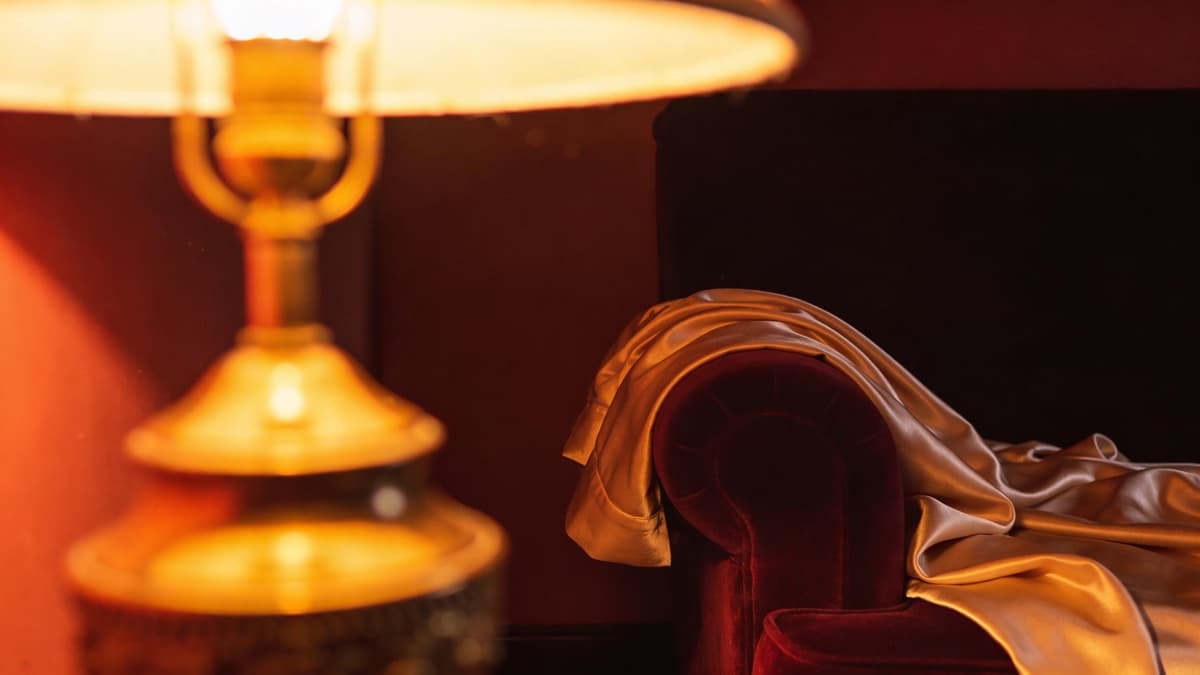
R&B visuals tend toward warmth. Rich, saturated colors that feel luxurious rather than aggressive. Golds, burgundies, deep purples, chocolate browns. Colors associated with comfort, intimacy, evening, romance.
Classic soul often worked in warm neutral territory—sepia tones, amber lighting, cream and brown palettes. This created timeless elegance that still reads as sophisticated.
90s R&B embraced richer saturation—the purple reign of that era literally colored the decade's visual identity. Velvet textures, jewel tones, the visual vocabulary of slow jams.
Contemporary R&B expands the palette while often maintaining warmth as foundation. Cooler tones appear more frequently—blues, teals, silver—but usually balanced against warm elements. Even minimal or experimental approaches tend to preserve emotional warmth that characterizes the genre.
When developing your color palette, consider the emotional temperature of your music. Sensual and romantic suggests warm saturation. Melancholic might cool things down while maintaining softness. Confident and assertive might increase contrast while keeping colors rich.
Contemporary R&B Aesthetics
Current R&B visual trends reflect the genre's evolution. Alternative R&B has introduced more experimental imagery—abstract elements, unconventional compositions, influences from fashion photography and art direction.
Film photography aesthetics appear frequently. The texture and color of analog film carries emotional qualities digital clarity sometimes lacks. Grain, soft focus, and the particular color science of various film stocks create nostalgic intimacy.
Minimalism has found place in R&B visuals—simple compositions, negative space, restrained color palettes. This often pairs with more experimental sounds, signaling artistic ambition and departure from genre conventions.
Fashion and luxury aesthetics remain central. Editorial photography styles—the kind of imagery that might appear in high-end magazines—frequently influence R&B artwork. Clean, styled, aspirational but emotionally resonant.
Y2K nostalgia has influenced R&B visuals as it has other genres. Late 90s/early 2000s references—the aesthetics of that era's music videos and album covers—appear both as direct homage and subtle influence on color grading and styling.
Frank Ocean's Blonde — minimalist cover that redefined what R&B visuals could be
Photography and Art Direction
Strong R&B artwork typically involves intentional photography rather than casual shots. Even "candid" moments are carefully staged. Consider the full frame: background, props, environment, not just the subject.
Lighting direction: Soft, diffused key light from 45 degrees creates classic flattering portraiture. Adding warm accent lights creates mood. Practical lights in frame—lamps, candles, string lights—add atmosphere and intimacy.
Location choice: Bedrooms, lounges, intimate venues read as appropriate R&B contexts. Luxury environments—hotels, expensive interiors—signal sophistication. Urban exteriors, particularly at night, create different mood while maintaining genre appropriateness.
Styling details: Consider how clothing, jewelry, and accessories will photograph. Textures that catch light—silk, velvet, metallic—add visual interest. Coordinate colors between wardrobe and environment for cohesive palette.
Post-processing: R&B photography typically involves significant color grading. Lift shadows to reduce harshness. Shift overall hue toward warmth. Consider film emulation or grain for texture. The final image should feel processed with intention, not raw.
Typography and Design Elements
Text treatment in R&B artwork ranges from subtle integration to bold statement. Script and serif typefaces appear frequently—elegance and classic beauty rather than modernist sans-serif. Hand-lettered typography carries personal touch.
Minimal text often works well. Artist name and title may be all that's needed, positioned to complement rather than compete with imagery. Small, elegant type placement signals sophistication—not needing to shout.
When typography takes prominence, it's usually making intentional design statement. Large-scale lettering, creative treatments, integration with imagery rather than overlay. This works best when typography is considered from the beginning, not added to finished photography.
Design elements beyond text tend toward the subtle in R&B. Soft graphic treatments, light textures, gentle borders or frames. Rarely hard edges or aggressive geometric elements unless deliberately contrasting genre expectations.
Creating R&B Artwork
Start with the feeling. Before thinking about specific imagery, identify the emotional core of your music. Is it sensual? Vulnerable? Confident? Melancholic? Celebratory? The feeling guides every subsequent choice.
If featuring yourself, invest in quality photography. This doesn't necessarily mean expensive—a skilled friend with understanding of light can outperform a professional without vision. But intention and craft matter. Poor photography undermines even great music in a genre where visual identity is so central.
Consider the full composition. Where does your eye go first? How does the viewer's attention move through the image? What's the relationship between subject and background? Effective R&B artwork typically draws attention to the artist while creating encompassing mood through environment and color.
If not featuring yourself, atmospheric imagery that evokes the music's emotional content can work well. Interior spaces, intimate details, abstract textures—imagery that creates feeling without requiring your face. This approach requires strong art direction to avoid becoming generic.
ReleasKit can generate R&B-appropriate imagery from descriptions focused on mood and atmosphere. "Intimate bedroom scene, warm amber lighting, silk textures, the feeling of late-night conversations"—evocative descriptions produce evocative imagery that matches the genre's emotional priorities.
FAQ