80s Aesthetic Revival
New wave and synth-pop defined 80s visual culture as much as sonic culture. The bold graphics, distinctive fashion, and stylized photography of that era—Depeche Mode's stark imagery, Duran Duran's glamour, the Cure's romantic darkness—continue influencing contemporary music visuals.
The aesthetic balances artificiality with emotional expression. Synthesizers produced "unnatural" sounds; visuals embraced similarly stylized presentations. The result was art that acknowledged its constructed nature while remaining emotionally resonant.
New wave visuals embrace artifice—styled, constructed, deliberately unnatural, yet emotionally genuine.
80s New Wave — the visual foundation of synth-pop
Signature Visual Elements
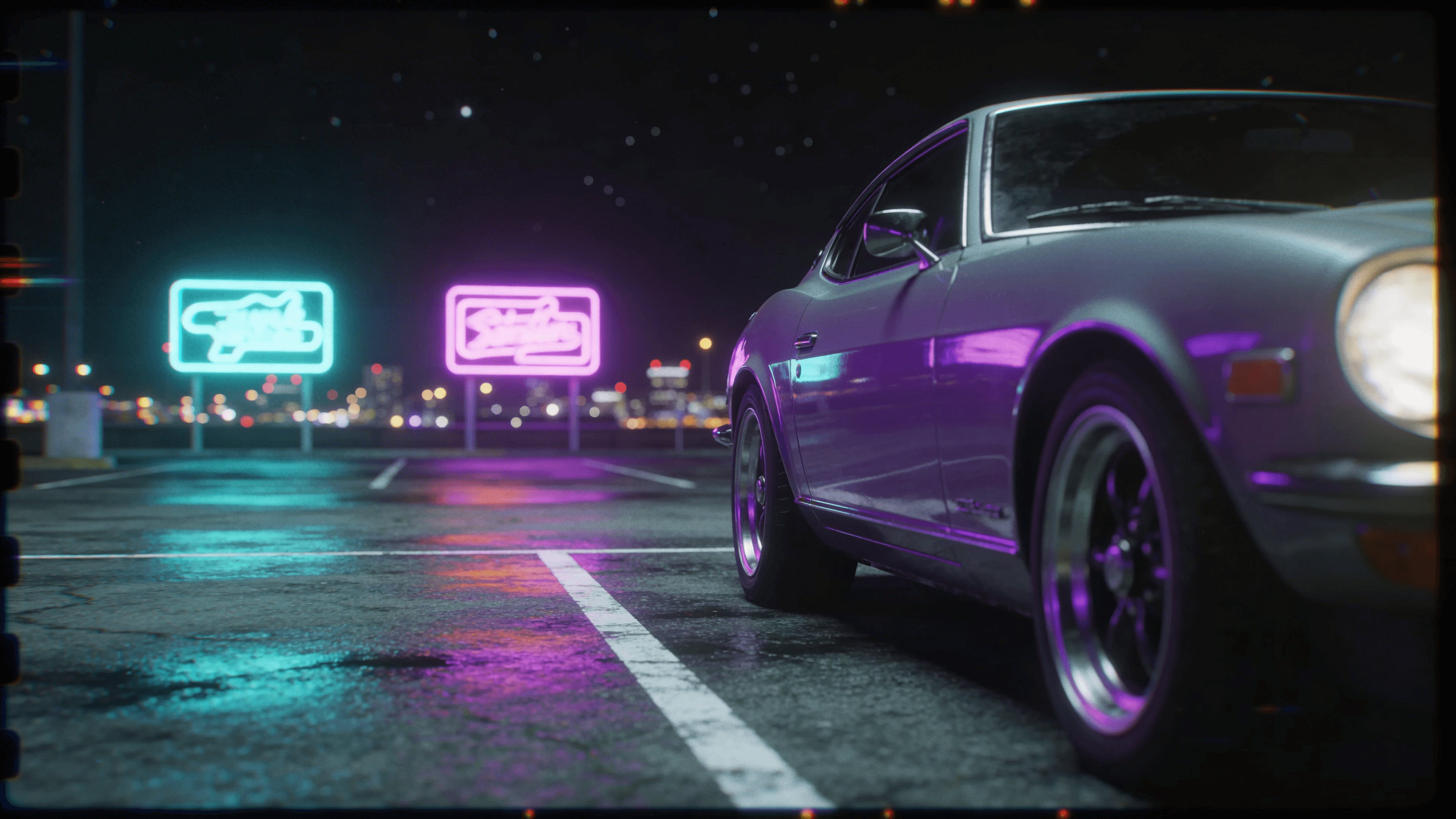
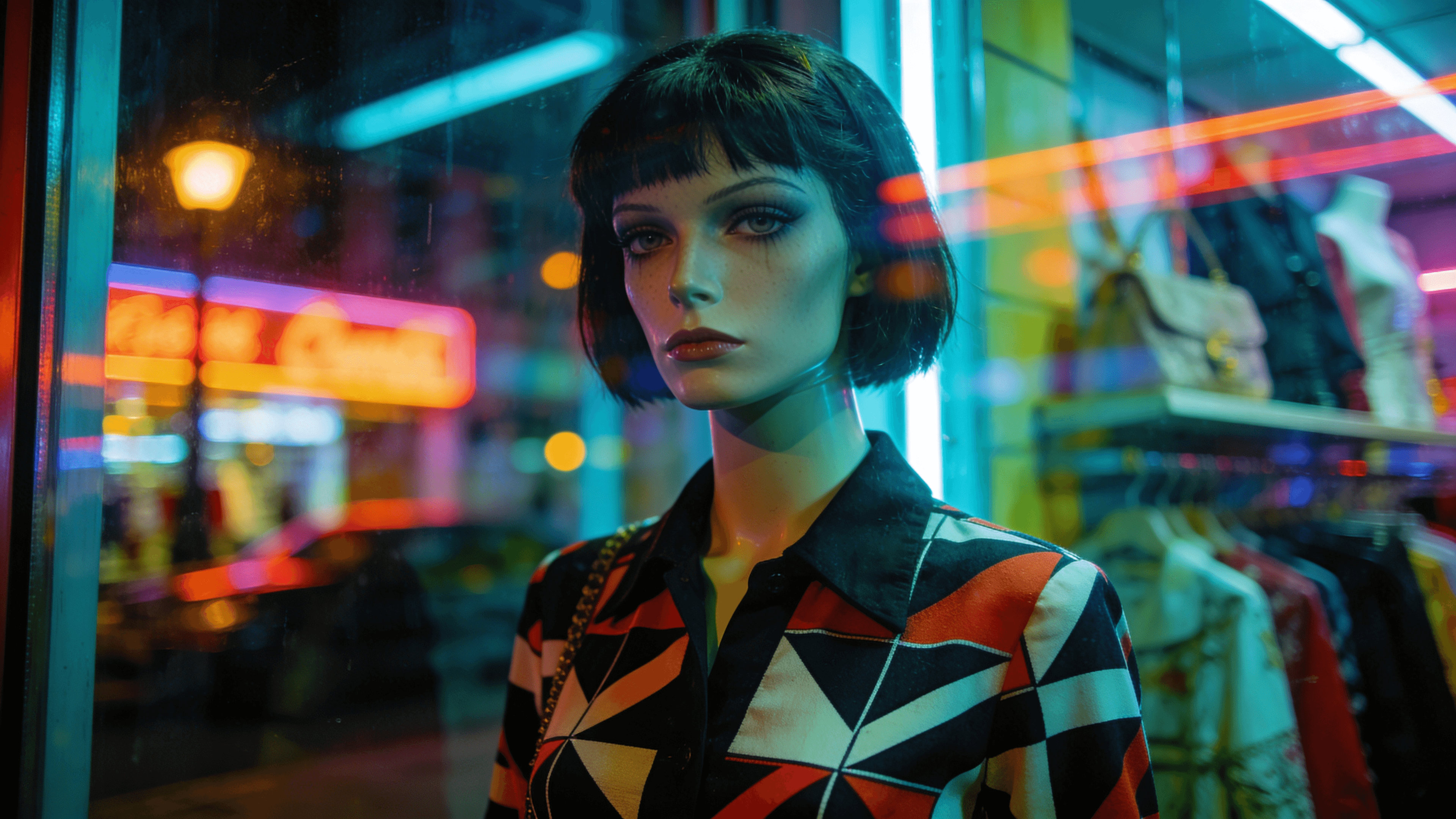
80s synth-pop developed distinctive visual vocabulary: bold color blocks, geometric patterns, stylized typography, high-fashion photography with dramatic lighting.
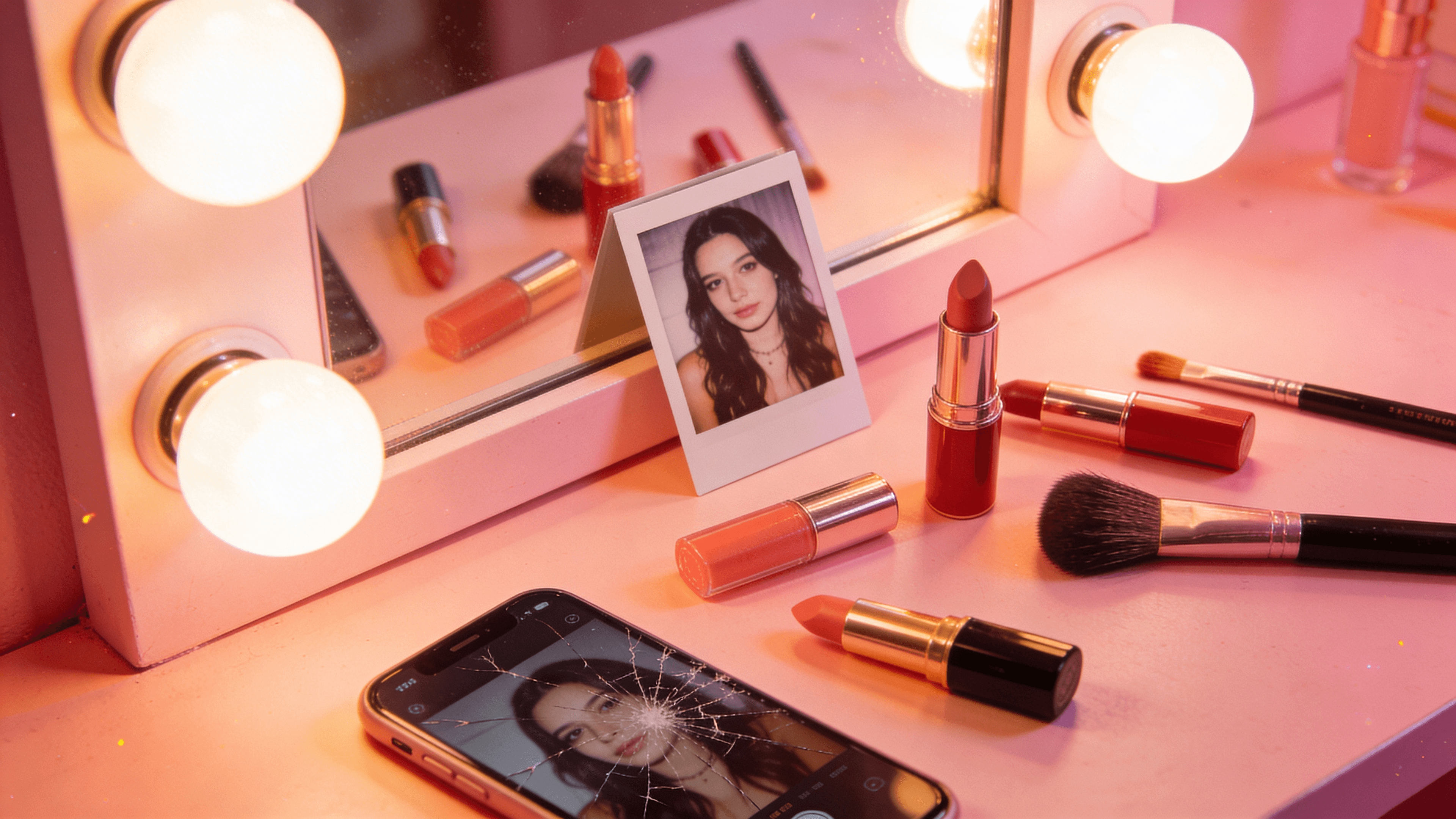
Fashion was inseparable from music. Distinctive styling—makeup on men, bold silhouettes, statement hair—communicated artistic identity. The visual presentation was performance itself.
Typography often drew from graphic design trends—angular sans-serifs, sometimes custom letterforms that became brand identities. The text treatment was as considered as the imagery.
Depeche Mode's Violator — stark new wave visual mastery
Creating New Wave Covers
Study the era. New wave visual language is specific—generic "80s" misses the sophistication. Understand what made Kraftwerk, Tears for Fears, or New Order visually distinctive.
Embrace stylization. The aesthetic isn't naturalistic; it's deliberately constructed. Let artificiality be visible and intentional.
Bold choices serve the genre. Color, typography, composition—all benefit from confidence. Tentative approaches don't match the era's swagger.
ReleasKit can generate new wave-influenced concepts—describe the specific era reference and visual feeling you want.
New wave artwork should feel styled—as deliberate as the synthesizers, as constructed as the production.
FAQ