Jamaican Visual Heritage
Reggae and dancehall carry Jamaican identity at their core. The visual language draws from island landscapes, Rastafarian imagery, Caribbean color, and decades of album art tradition. Bob Marley's covers established iconography; contemporary artists like Koffee, Shenseea, and Popcaan evolve it.
This visual heritage isn't decoration—it's cultural expression. The colors reference flag and faith; the imagery references land and history. Using these elements without understanding their meaning risks appropriation. Understanding them enables respectful participation.
Reggae and dancehall visuals aren't aesthetic choices—they're cultural statements with specific meaning.
Reggae Classics — Bob Marley to contemporary roots
Color and Cultural Significance
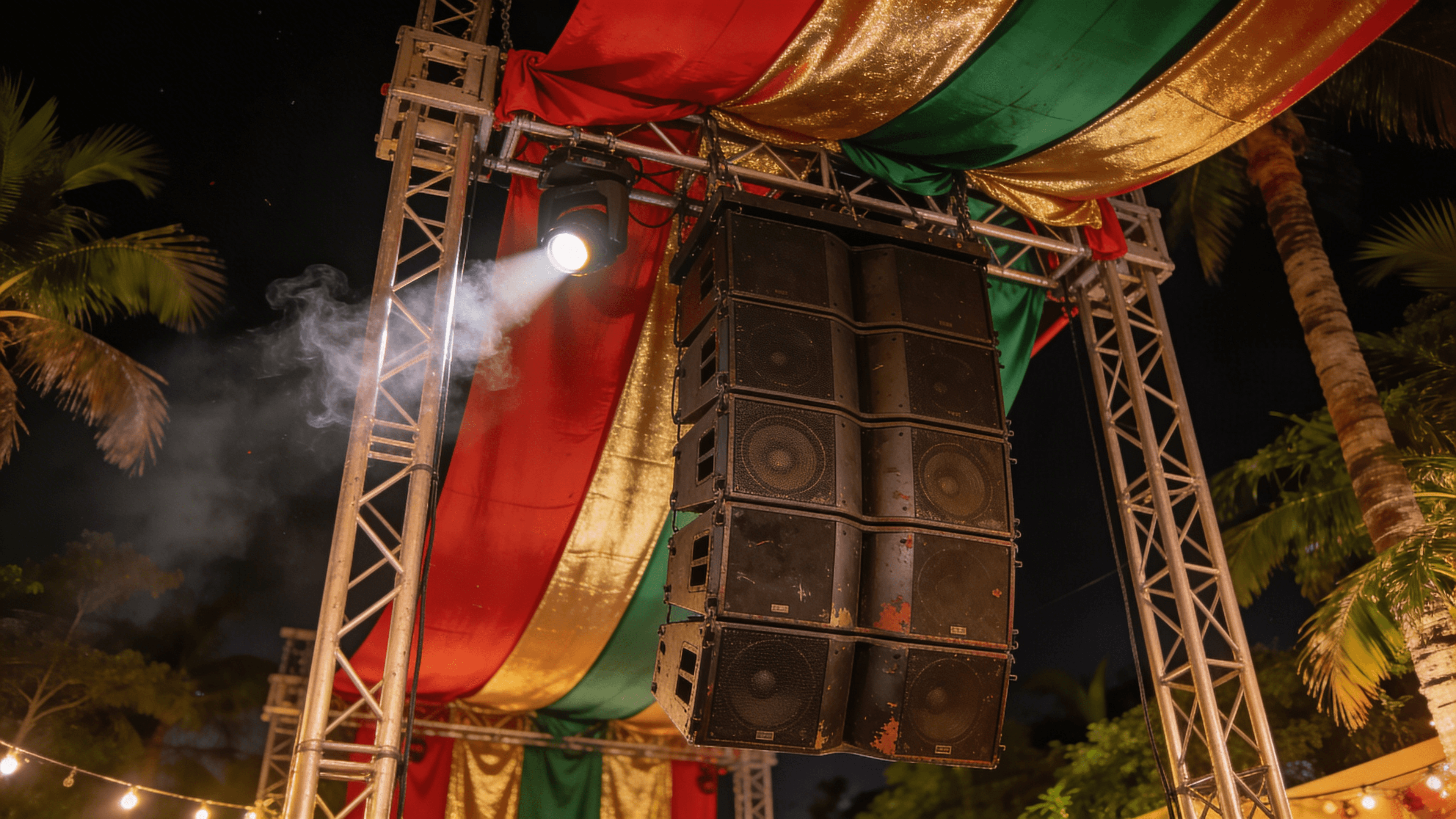
The red, gold, and green palette isn't arbitrary—these colors carry deep meaning in Jamaican and Rastafarian culture. Red represents blood shed for freedom; gold represents African wealth; green represents Ethiopian land. Using these colors invokes this significance.
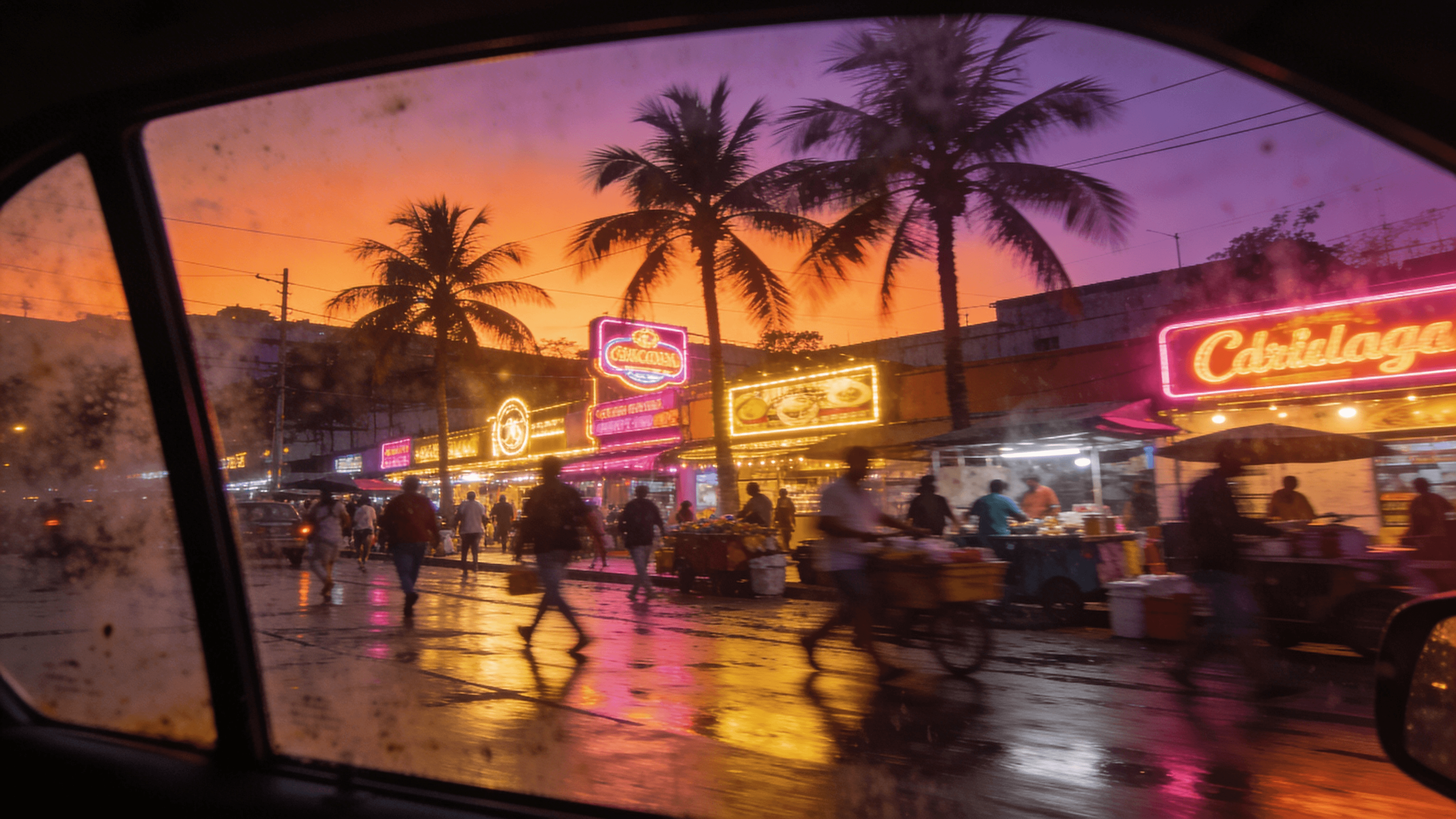
Contemporary reggae and dancehall often expand beyond this palette while maintaining Caribbean warmth. Sunset oranges, ocean blues, and tropical greens reference island environment. The warmth of Caribbean light influences color temperature.
Dancehall sometimes embraces bolder, more electric color than roots reggae. The genre's party energy might incorporate neon alongside traditional colors. But the cultural foundation remains—even departure acknowledges what it departs from.
Bob Marley & The Wailers' Legend — the visual foundation of reggae
Imagery and Iconography
Reggae visual iconography draws from specific sources: Rastafarian spirituality, African heritage, Jamaican landscape, and the genre's own history.
Natural imagery—palm trees, beaches, mountains—references Jamaica's physical beauty. Not generic tropical imagery but specifically Jamaican geography.
Lion imagery references the Lion of Judah, central to Rastafarian belief. This isn't casual decoration—it's religious symbolism deserving respect.
Cannabis imagery appears throughout reggae visual culture, connected to Rastafarian sacramental use. Whether to incorporate this depends on your relationship to the culture and your audience context.
Artist photography often incorporates natural settings, dreadlocks, and styling that connects to roots tradition. The artist's visual presentation reinforces cultural identity.
Koffee's Gifted — contemporary reggae visual identity
Creating Reggae & Dancehall Covers
Authentic connection to the culture matters. If you're not Jamaican or not connected to reggae tradition, tread carefully. Study the visual history; understand what symbols mean; consult with people from the culture.
Color choices should reference tradition intentionally. If using red, gold, and green, understand their significance. If departing from traditional colors, know what you're departing from and why.
Photography should ground imagery in genuine environment and identity. Generic "island" imagery reads as tourist perspective. Specific, authentic representation of Jamaican life and landscape carries different weight.
For technical specifications, see our complete platform guide. Reggae and dancehall audiences are global; consider how imagery will read across different cultural contexts.
ReleasKit can generate concepts with understanding of reggae and dancehall aesthetics. Describe your specific sound and cultural connection.
Reggae artwork carries cultural responsibility. Honor the tradition or don't participate in it.
FAQ